Call us right away at (404) 371-9774 so we can help you determine the next steps if your pet ate something toxic.
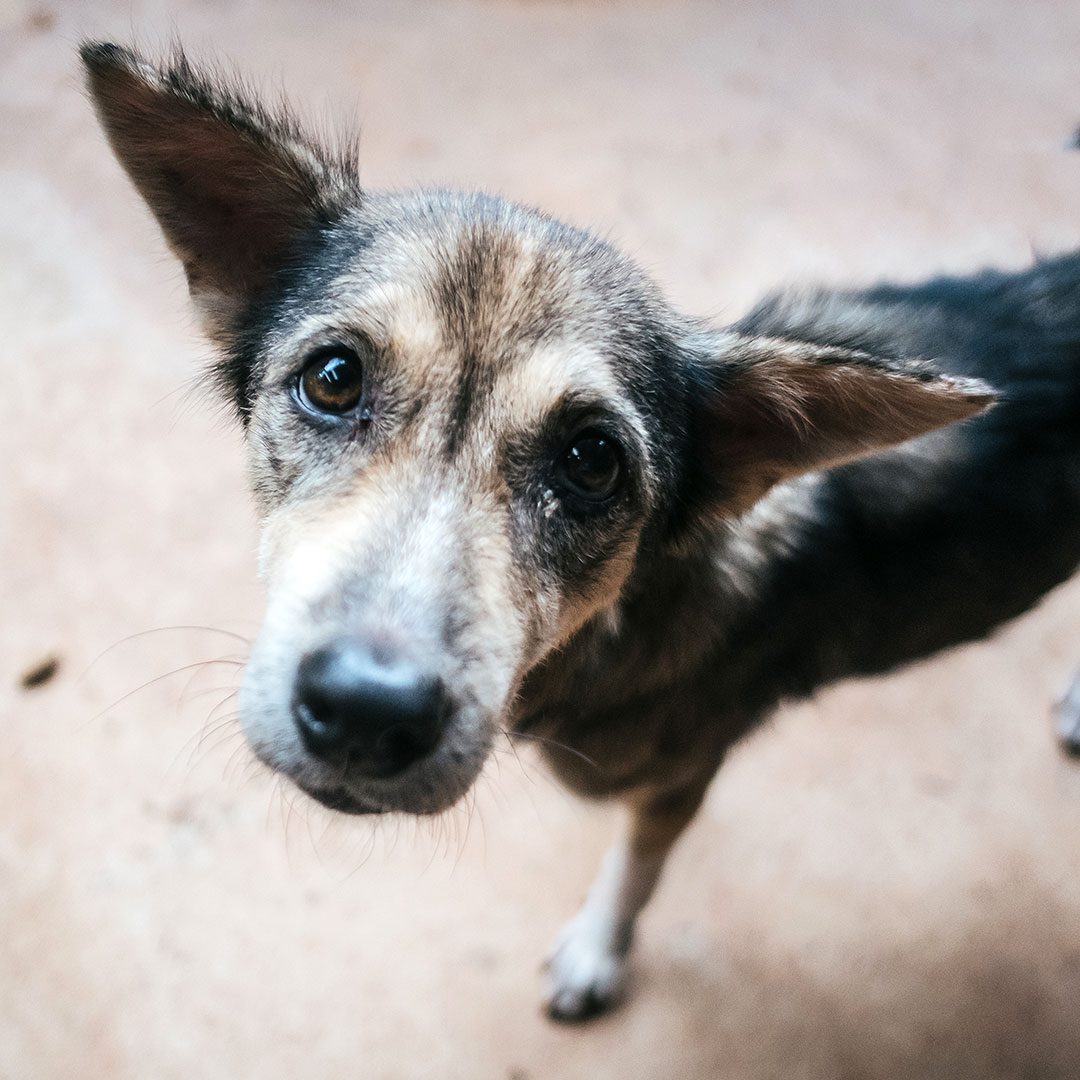
Signs of Poisoning in Pets
Pets do not always show symptoms right away after exposure to a toxin. When signs do appear, they can vary depending on what was ingested.
Watch for:
- Vomiting or diarrhea
- Loss of appetite
- Excessive drooling
- Vomiting or coughing up blood
- Lethargy or unusual tiredness
- Collapse or weakness
- Increased thirst or urination
- Disorientation or unusual behavior
- Black, tar-like stool
What to Do If Your Pet Has Ingested a Toxin
Quick action makes all the difference in a pet poisoning situation.
Stay calm and follow these steps:
- Make sure your pet is breathing normally and is responsive.
- Remove your pet from the area and keep other pets and children away from the substance.
- Call our emergency team immediately at (404) 371-9774 or contact the ASPCA Poison Control at (888) 426-4435.
- If possible, bring the packaging or a sample of the substance with you.
- Do not attempt home treatment or induce vomiting unless directed by a veterinary professional.
When you call, be ready to share:
- What your pet may have ingested and how much
- When the exposure may have occurred
- Your pet’s age, weight, and breed
Common Household Toxins to Watch For
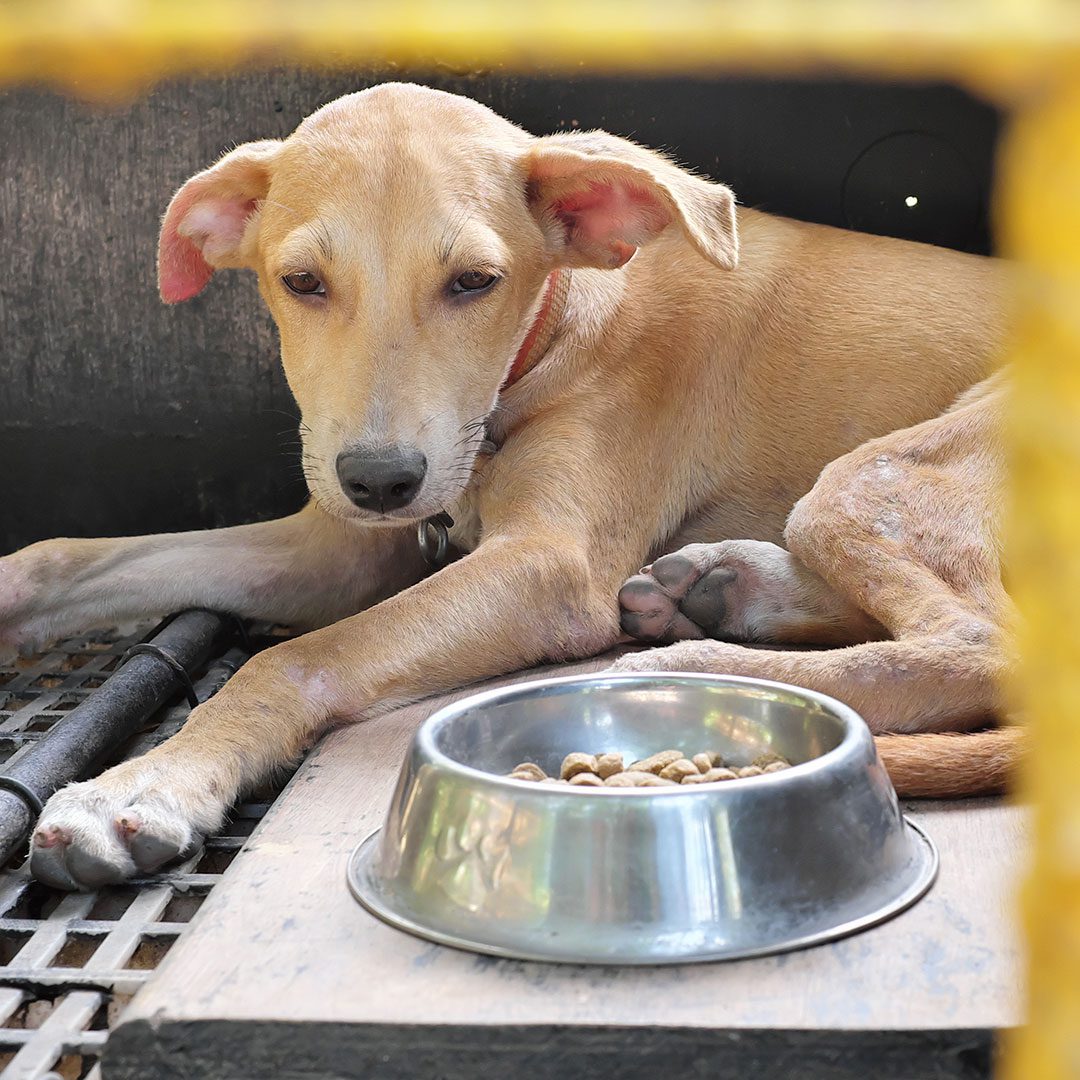
Many everyday items can pose a risk to pets. Keeping these out of reach can help reduce the chance of accidental poisoning.
Common toxins include:
- Chocolate, candy, baked goods, and foods containing xylitol
- Garlic, onions, grapes, and raisins
- Cleaning products, paint, and glue
- Lawn and garden chemicals such as fertilizers and insecticides
- Rodent poisons
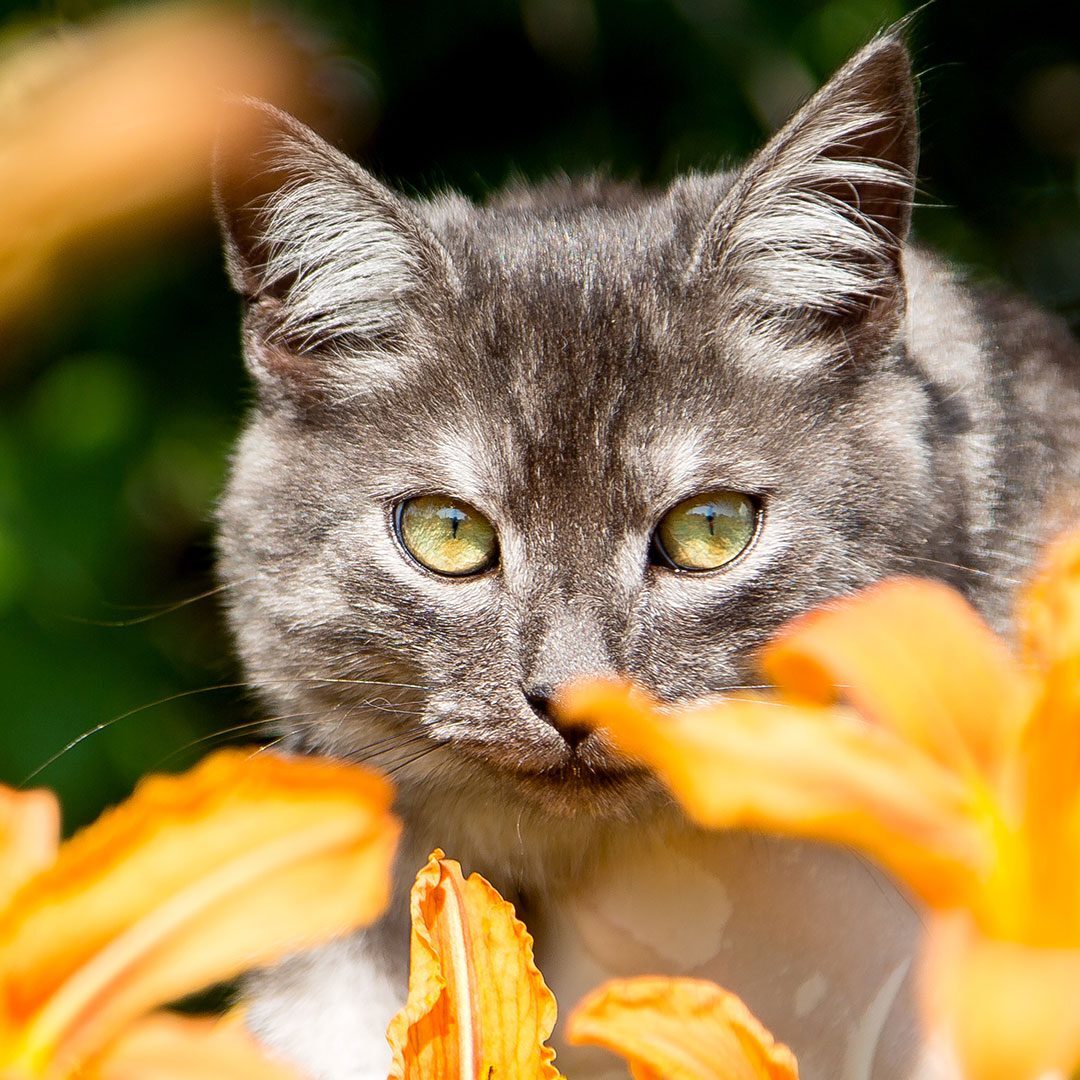
- Certain plants, including lilies (toxic to cats), azaleas, and daffodils
- Human medications, both prescription and over-the-counter
Get Immediate Help for Suspected Pet Poisoning
When it comes to potential toxins, waiting can make things more complicated. Even if you’re unsure what your pet may have gotten into, it’s always worth reaching out. A quick call can help you understand what to do next and whether your pet needs to be seen right away.
If you’re concerned about possible poisoning, call (404) 371-9774 now.