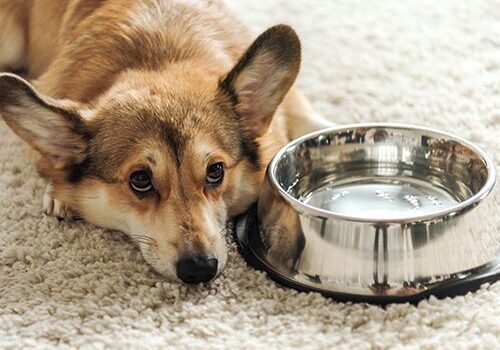
Dog Not Drinking Water: When to Worry
A dog not drinking water may be dealing with nausea, mouth pain, stress, an infection, or an internal illness such as kidney disease or pancreatitis. Sometimes the cause is harmless, like cooler weather, less activity, or a moisture-rich diet. However,…
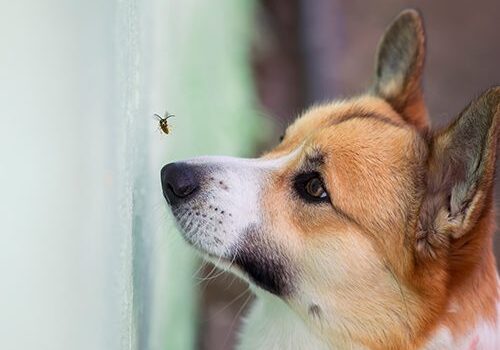
Dog Stung by Bee: What to Do Immediately
If your dog gets stung by a bee, move your dog away from the insects, stay calm, and watch closely for signs of an allergic reaction such as facial swelling, hives, vomiting, weakness, or trouble breathing. Call your veterinarian for…
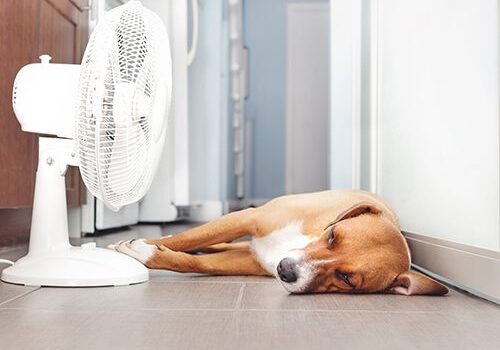
Early Signs of Dog Overheating to Watch For
You can tell a dog is overheating when it pants heavily and can’t seem to slow down, drools excessively, has bright red or dark gums, seeks shade, and moves slowly or stumbles. As dog overheating progresses toward heatstroke, you may…
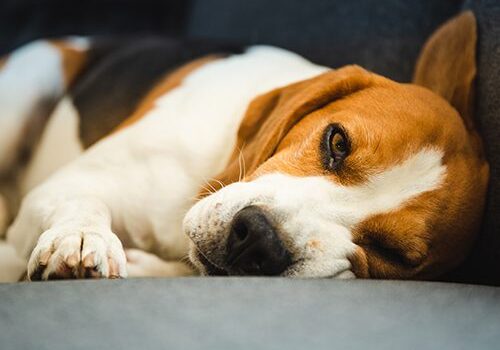
Why Does My Dog Have Bloody Diarrhea?
Bloody diarrhea in dogs usually means the lining of the intestines is inflamed, irritated, or damaged. Common causes include eating something unusual, stress colitis, intestinal parasites, parvovirus, acute hemorrhagic diarrhea syndrome, swallowed objects, and toxins such as rat poison. Some…
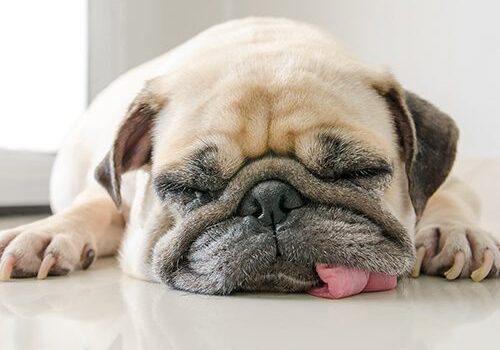
What Toxins Cause Pancreatitis in Dogs?
The toxins most often linked to pancreatitis in dogs include very fatty foods and garbage, organophosphate insecticides, zinc from swallowed coins or hardware, and certain medications such as potassium bromide and some chemotherapy drugs. Toxins that raise blood calcium, like…
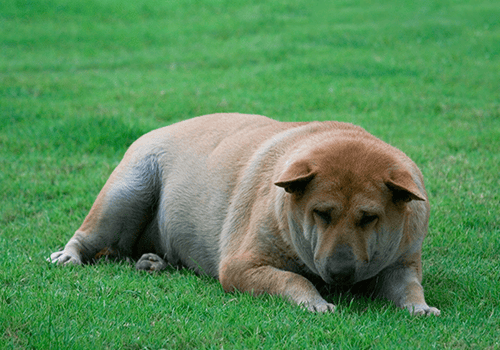
Dog Bloat Timeline: Recognizing Gastric Dilatation-Volvulus Before It’s Too Late
Bloat in dogs usually looks like a swollen, tight belly, repeated attempts to vomit with nothing coming up, heavy drooling, and restless pacing. When the stomach also twists, a condition called gastric dilatation-volvulus (GDV), a dog can go from mildly…
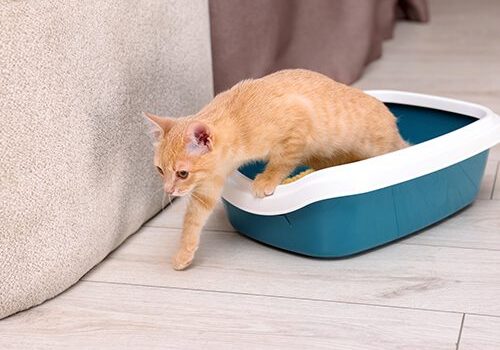
Signs of Urinary Blockage in Cats
Urinary blockage in cats is most often caused by a plug of minerals, mucus, and inflammatory cells, a small bladder stone, or a spasm of the urethra triggered by bladder inflammation. The most common signs of urinary blockage in cats…
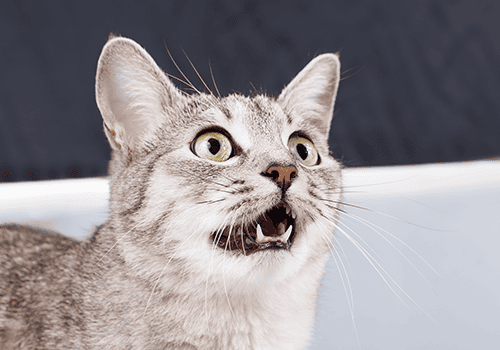
Cat With Mouth Open Breathing: When to Seek Emergency Care
A cat breathing with its mouth open usually isn’t getting enough oxygen, and the cause is often heart disease, asthma, fluid around the lungs, a respiratory infection, or an injury. Unlike dogs, cats rarely pant, so a cat with mouth…
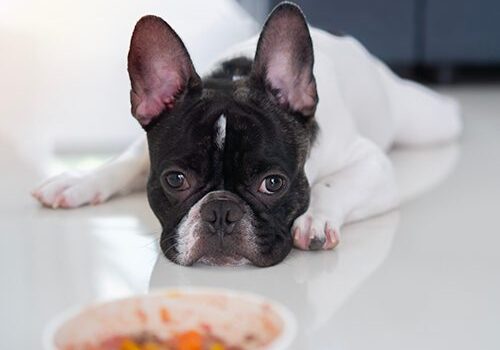
When a Puppy Not Eating Becomes an Emergency
A puppy not eating may be reacting to stress, teething, a recent vaccine, or a diet change, but it can also signal serious problems like parvovirus, intestinal parasites, a swallowed object, or dangerously low blood sugar. Because puppies have very…
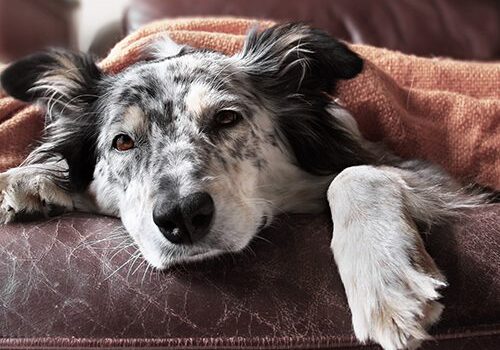
Signs of Internal Bleeding in Dogs
The first signs of internal bleeding in dogs are often pale or white gums, sudden weakness, a fast heartbeat, rapid breathing, and a swollen or tender belly. Because the blood loss happens inside the body, many dogs show only subtle…
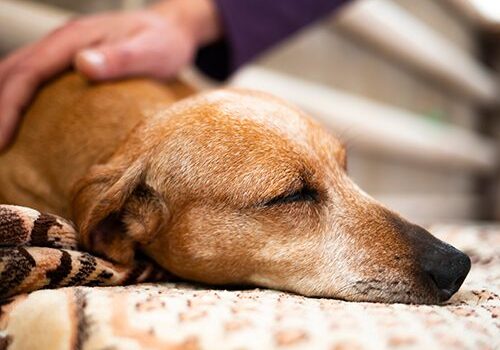
Dog Throwing Up Blood: Emergency Warning Signs
A dog throwing up blood usually has irritation, an injury, or active bleeding somewhere in the upper digestive tract, such as the esophagus, stomach, or upper intestine. Causes range from mild stomach inflammation to swallowed objects, toxins, ulcers, infections, and…
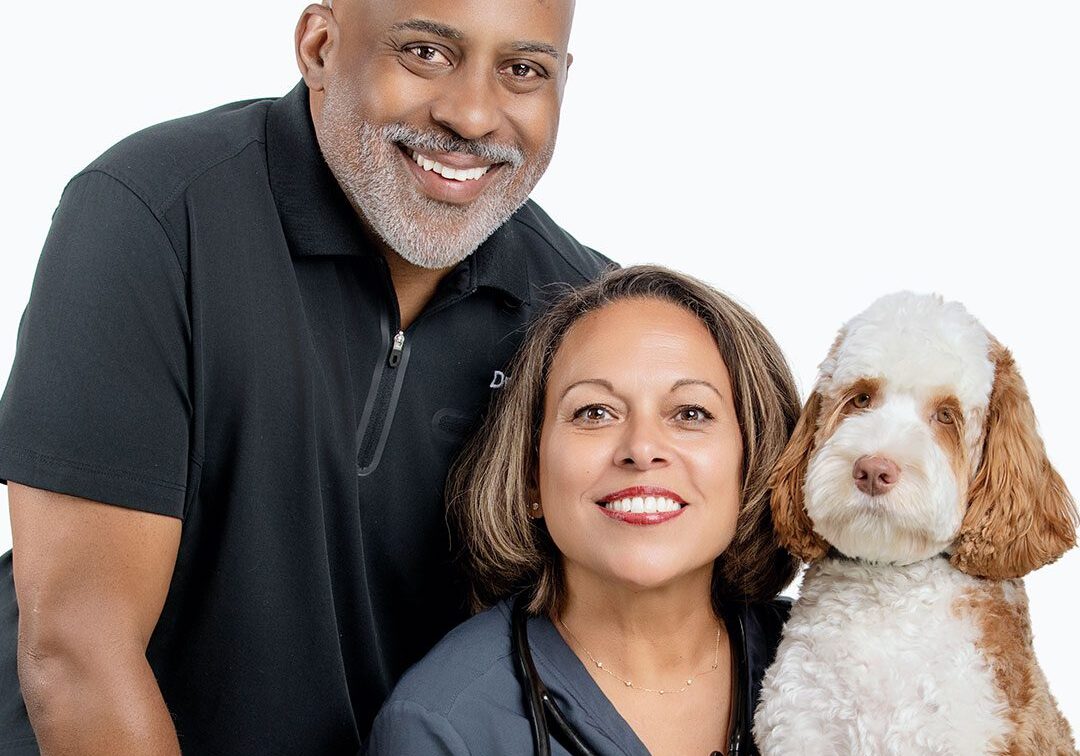
Meet The Emergency Vets – Atlanta’s Only Independently Owned Emergency Animal Hospital
If you’ve been a client of The Village Vets, you already know us. The team that remembered your dog’s name before checking the chart. The technicians who sat on the floor with your anxious cat. The doctors who called after…
24/7 Emergency Pet Hospital in Atlanta