
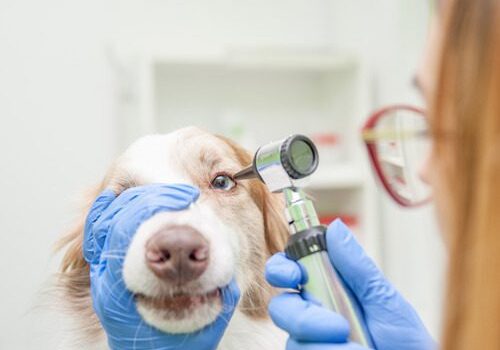
Dog Eye Infections: When To Seek Emergency Care
Your dog’s eyes can tell you a lot—about how they’re feeling, what’s caught their attention, or when something’s not right. One moment your pet is chasing a ball, and the next, they’re squinting or pawing at their eye. It’s easy…

How To Know When Your Cat’s Vomiting is a Serious Issue
Cats are known for being finicky eaters and sometimes their curiosity can lead them into eating things they shouldn’t. While an occasional episode of vomiting might not be cause for alarm, it’s important to understand when this behavior signals something…

My Cat Has Diarrhea – Should I Call the Emergency Vet?
When your cat is experiencing diarrhea, it’s normal to feel concerned. Diarrhea in cats can be caused by a variety of factors, including dietary indiscretion, infections, or more serious health issues. This condition is not only uncomfortable for your cat…
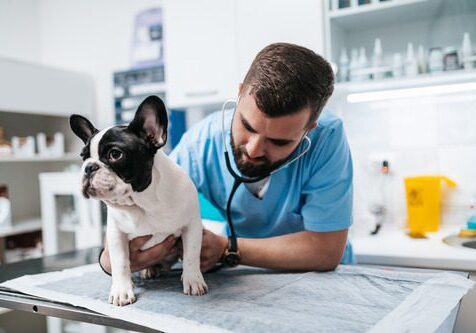
Tips for Recognizing the Signs of a Life-Threatening Dog Bloat Emergency
Bloat in dogs is a serious health emergency that requires immediate attention. Recognizing the signs early can be the difference between life and death for your dog. This blog aims to provide pet owners with essential information on how to…

Dog Heatstroke: Why This is an Emergency Situation and What to Do
Dog heatstroke is a serious condition that can quickly escalate into a life-threatening emergency for your beloved pet. In Atlanta’s warm climate, especially during the hotter months, it’s vital for pet owners to understand the risks, signs, and immediate actions…

Dog Dehydration: 8 Signs to Watch For and How to Protect Your Pet
When the temperature rises or after a long day of play, it’s not just humans who need to stay hydrated. Our pets, especially dogs, also face the risk of dehydration. Dehydration in dogs can quickly turn from a minor concern…

How to Know When Dog Panting is Normal and When it is an Emergency
Panting is a common behavior among dogs, but how can you tell when it’s just a normal part of their day and when it signals something more urgent? Understanding the nuances of dog panting can help you better care for…

Why is My Cat Breathing Heavy?
If you notice your cat breathing heavy, it’s vital to recognize whether this is a normal behavior or a sign of a more serious issue. While cats may breathe more heavily during play or excitement, persistent or sudden changes in…

5 Signs of a Dog in Shock
Shock in dogs is a serious medical emergency that requires immediate attention from experienced veterinarians like the team at The Emergency Vets – 24 Hour Emergency. Shock can result from various underlying causes, including injury, allergic reaction, infection, or severe…

5 Causes of a Dog’s Swollen Stomach
As a dog owner, noticing your furry friend with a swollen stomach can be an alarming experience. While it may be tempting to diagnose or treat this issue on your own, it is crucial to consult a veterinarian. Understanding the…

When is Dog Vomiting an Emergency?
Vomiting is a common occurrence in dogs, and not every instance is cause for immediate concern. But when should you be alarmed? There are normal cases where a dog may vomit once and act perfectly fine afterward. Sometimes, they might…

Dog Seizures: Causes, Symptoms and Treatment
Dog seizures can be a frightening and confusing experience for pet owners. These neurological disturbances are essentially sudden, uncontrolled bursts of electrical activity in a dog’s brain. It’s essential to understand what causes seizures and how to recognize their symptoms…
- « Previous
- 1
- 2
- 3
- 4
- Next »