
Heavy Breathing in Cats: When It’s an Emergency
Heavy breathing in cats can signal anything from short-term stress to a serious, life-threatening condition that requires immediate care. A heavy breathing cat may appear calm on the surface while their body works harder than it should to move air in and out of the lungs. Because cats naturally hide discomfort, changes in breathing often indicate that something significant is happening internally. Understanding when heavy breathing crosses from concerning to urgent helps pet owners act quickly and seek appropriate emergency care.
What Is Considered Heavy Breathing in Cats?
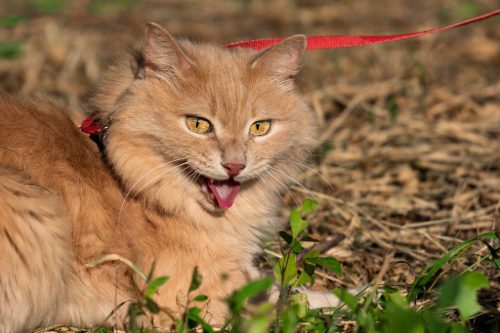
Heavy breathing in cats refers to breathing that looks or sounds more labored than normal. A healthy cat usually breathes quietly, with subtle chest movement that is easy to miss when they are resting. When breathing becomes rapid, exaggerated, noisy, or labored, it often signals that the body is struggling to get enough oxygen. A heavy breathing cat may show visible chest or abdominal movement, open-mouth breathing, or flared nostrils, all of which fall outside normal feline behavior.
Breathing rate also matters. While exact numbers vary, cats at rest should not appear to be panting or gasping. If you notice breathing that seems persistently fast or strained, it deserves attention. Heavy breathing is especially concerning when it occurs at rest rather than after brief activity or stress. Cats rarely breathe heavily without a reason, and even subtle changes can point to underlying respiratory, cardiac, or systemic issues.
Heavy breathing may also come with posture changes. Some cats sit or stand with their neck extended or elbows held away from the body to make breathing easier. These positions suggest respiratory distress and should never be ignored. Even if your cat seems alert, a breathing pattern that looks abnormal often indicates a deeper problem that needs veterinary evaluation.
Common Causes of Labored Breathing in Cats
Labored breathing in cats has many possible causes, ranging from respiratory conditions to issues affecting the heart or other organs. A heavy breathing cat may struggle because air cannot move freely through the lungs, oxygen cannot circulate properly, or fluid or inflammation interferes with normal breathing mechanics. Identifying the cause requires veterinary assessment, diagnostic testing, and close monitoring.
Some of the more common underlying causes include infections, trauma, heart disease, asthma, and fluid buildup in or around the lungs. In certain cases, tumors or foreign material may restrict airflow. Stress and pain can also worsen breathing problems, even if they are not the original cause. Because many of these conditions overlap in symptoms, breathing changes alone do not point to a single diagnosis.
Respiratory and Airway Conditions
Respiratory diseases frequently contribute to heavy breathing in cats. Conditions such as feline asthma, pneumonia, or upper airway obstruction can limit airflow and force the cat to breathe harder. Inflammation narrows air passages, while mucus or fluid reduces the lungs’ ability to exchange oxygen. A heavy breathing cat with a respiratory condition may also cough, wheeze, or show nasal discharge, although not all symptoms appear at once.
Asthma, in particular, can cause sudden episodes of labored breathing that escalate quickly. These episodes may appear mild at first but can worsen without warning. Upper airway problems, including swelling or structural abnormalities, can also interfere with normal breathing. These issues often require prompt veterinary care to prevent further respiratory compromise.
Heart-Related Causes
Heart disease is another significant contributor to breathing difficulties in cats. When the heart cannot pump effectively, fluid may accumulate in or around the lungs, making it harder for the cat to breathe. A heavy breathing cat affected by heart disease may show minimal outward signs until breathing becomes noticeably abnormal. Unlike dogs, cats rarely cough with heart disease, which makes breathing changes an especially important warning sign.
Cardiac-related breathing issues often develop silently over time. Stress, illness, or exertion can suddenly push a compensated condition into an emergency situation. Because heart disease cannot be diagnosed based on breathing alone, emergency evaluation is essential when breathing changes appear suddenly or worsen rapidly.
Is Heavy Breathing a Veterinary Emergency?
Heavy breathing in cats should always be taken seriously, and in many cases, it qualifies as a veterinary emergency. A heavy breathing cat may not show obvious distress beyond altered breathing patterns, but the risk of oxygen deprivation remains high. Cats can deteriorate quickly, especially when underlying heart or lung disease is present.
Emergency care becomes critical when heavy breathing appears suddenly, worsens over a short period, or occurs while the cat is resting. Open-mouth breathing, pronounced abdominal movement, or blue or pale gums are particularly urgent signs. Even if breathing improves briefly, ongoing or recurrent episodes warrant immediate evaluation.
Some situations that often indicate an emergency include:
- Breathing that is rapid, labored, or noisy at rest
- Open-mouth breathing or panting
- Extended neck posture or elbows held away from the body
- Lethargy, collapse, or sudden weakness
Because cats instinctively hide illness, visible breathing changes often mean the condition has already progressed. When in doubt, it is safer to treat heavy breathing as an emergency rather than wait for additional symptoms to appear.
How to Respond If Your Cat Is Breathing Heavily
When you notice heavy breathing, your response can make a meaningful difference in how quickly your cat receives care. A heavy breathing cat should be handled gently and with minimal stress. Excessive movement or handling can increase oxygen demand and worsen respiratory distress.
Move your cat to a quiet, comfortable area and observe their breathing without interfering. Avoid attempting to restrain them or force them into a carrier unless transport is necessary. If you need to travel to an emergency hospital, keep the environment calm and avoid unnecessary delays. Calling ahead allows the veterinary team to prepare for your arrival.
Signs that warrant immediate action include changes in gum color, extreme lethargy, or breathing that looks progressively more difficult. Even if your cat appears alert, abnormal breathing patterns alone justify emergency evaluation. Prompt care improves outcomes and allows veterinarians to stabilize breathing before complications develop.
If you are unsure whether the situation is urgent, contacting an emergency veterinary hospital for guidance is appropriate. For cats in the Atlanta area, The Emergency Vets 24-Hour Emergency is available around the clock. You can call (404) 371-9774 for immediate assistance and direction.
Emergency Treatment for Cats with Breathing Problems
Emergency treatment for cats with breathing difficulties focuses on stabilization, oxygen support, and identifying the underlying cause. A heavy breathing cat typically receives care in a calm, controlled environment to reduce stress and oxygen demand. Veterinarians prioritize keeping the airway open and ensuring adequate oxygen delivery before proceeding with diagnostics.
Once stabilized, the veterinary team may use imaging, bloodwork, or other diagnostic tools to determine why breathing is impaired. Treatment plans vary widely depending on the cause. Some cats require hospitalization and close monitoring, while others may stabilize more quickly with targeted interventions. The goal is always to address the root issue while supporting safe, effective breathing.
When Breathing Changes Should Never Be Ignored
Heavy breathing in cats is never normal, even if it appears mild or intermittent. A heavy breathing cat may seem comfortable one moment and decline the next, which is why vigilance matters. Waiting for additional symptoms can delay care and increase risk, particularly with heart or lung conditions.
Cats rely on efficient breathing to maintain oxygen levels throughout the body. When breathing becomes labored, vital organs may not receive the oxygen they need. Prompt veterinary assessment allows clinicians to intervene early, stabilize breathing, and guide owners through appropriate next steps.
Breathing Concerns Deserve Immediate Attention
Heavy breathing in cats often signals a serious underlying problem that requires urgent veterinary care. A heavy breathing cat may not vocalize pain or distress, but their breathing tells an important story that should not be ignored. Recognizing abnormal breathing patterns and acting quickly can protect your cat’s health and improve outcomes during emergencies.
If your cat shows signs of heavy or labored breathing, contact The Emergency Vets 24-Hour Emergency right away. Their emergency team is available day and night to evaluate breathing concerns and provide immediate care. Call (404) 371-9774 for guidance or to let the team know you are on the way.
Recent Posts
About Us
At The Emergency Vets, we provide 24/7 emergency and critical care for pets at our animal hospital in Atlanta, GA. As the only privately owned emergency veterinary hospital in the metro area, we continue delivering trusted care with the same experienced team, now as an independent practice.