
Hiking Dogs: Outdoor Fun Meets Emergency Preparedness
Hiking dogs combine fresh air, exercise, and bonding time with their people, making trail adventures appealing for many families. At the same time, hiking introduces unpredictable terrain, weather changes, wildlife, and physical strain that can quickly turn a fun outing into a medical emergency. Understanding the risks, preparing ahead, and knowing when to seek urgent veterinary care allows pet owners to enjoy the outdoors while staying ready for the unexpected. This balance between adventure and awareness helps protect dogs on the trail and supports faster decision-making if something goes wrong.
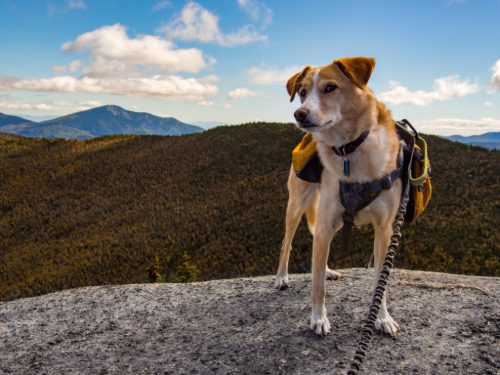
Why Hiking Is Great—but Risky—for Your Dog
Hiking offers meaningful physical and mental stimulation for dogs, especially those that enjoy exploring new environments and scents. Trails provide opportunities for cardiovascular exercise, muscle engagement, and enrichment that differs from neighborhood walks. Many dogs thrive when given space to move at a steady pace, and hiking can strengthen the bond between pets and their owners through shared experiences outdoors. For active dogs, these outings often support weight management and behavioral wellness by channeling energy in a positive direction.
Despite these benefits, hiking also exposes dogs to hazards that are not present in controlled environments. Uneven ground increases the risk of strains, sprains, and paw injuries, especially on rocky or steep trails. Temperature extremes, limited access to water, and prolonged exertion can place stress on a dog’s body faster than many owners expect. Wildlife encounters, toxic plants, and insects add layers of unpredictability that can escalate quickly. Hiking dogs depend entirely on their handlers to recognize when conditions become unsafe and when professional care is needed.
Trail conditions also change rapidly, which can complicate decision-making in the moment. A route that starts cool and shaded may become hot and exposed within yards. Crowded trails or unfamiliar dogs can increase stress levels, leading to reactive behavior or accidents. Understanding that hiking dogs face both physical and environmental risks helps owners approach outdoor adventures with realistic expectations and proper planning.
Common Injuries and Emergencies From Hiking
Hiking-related emergencies often develop suddenly, meaning dog owners need to keep a watchful eye on their pup. Cuts and abrasions are among the most common issues, particularly on paw pads and lower limbs. Sharp rocks, thorns, and debris can cause lacerations that bleed and cause discomfort. These injuries may look minor at first but can worsen with continued walking or exposure to dirt and bacteria. Limping, excessive licking, or reluctance to bear weight often signals a more serious concern.
Overheating represents another significant risk for hiking dogs, especially during warmer months or on long, exposed trails. Dogs regulate body temperature differently than people and can overheat faster during sustained activity. High humidity, limited airflow, and lack of shade compound this danger. Signs of heat-related distress can progress quickly, making early recognition essential. Overexertion may also contribute to dehydration, which further strains internal systems during physical activity.
Wildlife encounters and insect exposures add another layer of risk on the trail. Snakes, aggressive wildlife, and stinging insects can cause injuries that require urgent evaluation. Even brief interactions can result in puncture wounds, swelling, or systemic reactions. Hiking dogs may also encounter unfamiliar plants or substances that lead to gastrointestinal upset or other reactions. These situations often require immediate veterinary assessment rather than observation alone.
Common hiking-related emergencies include:
- Paw pad cuts, torn nails, and soft tissue injuries
- Heat-related distress and dehydration
- Snake bites, insect stings, or wildlife injuries
How to Build a Pet-First Aid Kit for the Trail
Preparation plays a key role in supporting hiking dogs, especially when access to care may be limited during an outing. A pet-first aid kit designed for outdoor use helps owners respond calmly while arranging professional help. The goal of a trail kit is not to replace veterinary treatment, but to manage situations safely until a dog can be evaluated by a veterinarian. Keeping supplies organized and easily accessible makes a meaningful difference during stressful moments.
A well-planned kit accounts for the most common hiking-related injuries without becoming overly bulky. Lightweight, weather-resistant containers work best for outdoor use. Owners should familiarize themselves with the contents before heading out, so they know what is available if an issue arises. Checking supplies regularly ensures items remain clean, intact, and ready for use when needed.
A basic hiking dog first-aid kit may include:
- Clean bandaging materials for temporary wound coverage
- Saline or wound-cleansing solution
- Tweezers for removing debris or visible foreign material
- A leash or soft muzzle for safety during transport
Including emergency contact information and directions to the nearest emergency veterinary hospital, like The Emergency Vets 24-Hour Emergency, can also be helpful, particularly on unfamiliar trails. Preparation supports quicker, more confident responses when unexpected situations occur and reduces delays in seeking professional care.
Recognizing Warning Signs That Your Dog Needs Immediate Veterinary Care
Knowing when to seek urgent veterinary care is one of the most important responsibilities of hiking dog owners. Some signs may seem subtle at first but can indicate serious underlying issues that require immediate attention. Changes in behavior, posture, or movement often provide early clues that something is wrong. Dogs may slow down, refuse to continue, or appear unusually quiet when experiencing distress.
Physical signs should never be ignored during or after a hike. Persistent limping, visible bleeding, swelling, or labored breathing warrant prompt evaluation. Gastrointestinal signs such as repeated vomiting or collapse on the trail also signal an emergency. In some cases, symptoms may not fully develop until hours after the hike ends, which makes post-hike monitoring equally important.
Seek immediate veterinary care if your dog shows:
- Difficulty breathing, collapse, or extreme weakness
- Significant bleeding, swelling, or suspected bite wounds
- Sudden behavior changes or unresponsiveness
For hiking dogs, timely veterinary intervention can prevent complications and support better outcomes. If you notice concerning signs during or after a hike, contacting an emergency veterinary team right away is the safest course of action. The team at The Emergency Vets 24-Hour Emergency is available around the clock. Call (404) 371-9774 for guidance or immediate assistance.
Safe Hiking Practices: Prevention Tips & Emergency Response
Thoughtful planning reduces the likelihood of emergencies while hiking with dogs. Choosing trails that match a dog’s age, fitness level, and experience helps prevent overexertion and injury. Starting with shorter hikes allows owners to assess how their dog responds to terrain, elevation, and duration. Gradual conditioning supports stamina and minimizes strain on joints and muscles.
Environmental awareness also plays an important role in keeping hiking dogs safe. Checking weather forecasts, trail conditions, and wildlife advisories before heading out helps owners make informed decisions. Carrying sufficient water, taking regular breaks, and monitoring energy levels throughout the hike can prevent many heat-related issues. Leash use, where required or appropriate, reduces the risk of wildlife encounters and accidental injuries.
Responding Calmly When an Emergency Happens
Even with preparation, emergencies can still occur. Staying calm allows owners to assess the situation clearly and act efficiently. Removing the dog from further risk, such as moving to shade or away from hazards, supports immediate safety. From there, contacting our emergency veterinary hospital in Atlanta at (404) 371-9774 for guidance ensures the next steps align with professional care standards. Prompt communication shortens response times and helps protect hiking dogs during critical moments.
From Trail to Treatment: Knowing You’re Not Alone
Hiking dogs bring joy, adventure, and shared experiences, but they also depend on informed owners who prioritize safety alongside fun. Preparation, awareness, and quick action form the foundation of responsible hiking with dogs. When emergencies happen, knowing where to turn matters. The veterinary team at The Emergency Vets 24-Hour Emergency is available day and night to support dogs in urgent situations. If a hiking adventure takes an unexpected turn, call (404) 371-9774 to connect with experienced emergency veterinary professionals who are ready to help.
Recent Posts
About Us
At The Emergency Vets, we provide 24/7 emergency and critical care for pets at our animal hospital in Atlanta, GA. As the only privately owned emergency veterinary hospital in the metro area, we continue delivering trusted care with the same experienced team, now as an independent practice.