
My Dog Is Limping But Shows No Sign of Pain: Should I Be Worried?
Noticing a limp in your dog can be confusing, especially when there are no clear signs of discomfort. Many pet owners find themselves wondering why a dog would favor a leg while still eating well, playing, and acting like themselves. Limping often appears before pain becomes obvious, which makes it easy to question whether the issue is temporary or something more serious. Dogs also tend to mask physical discomfort, so outward behavior does not always reflect what is happening internally. Exploring why limping can occur without visible pain helps clarify when close monitoring is appropriate and when veterinary care should be considered.
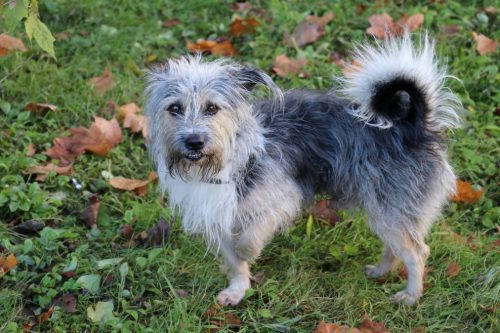
Is It Normal for a Dog to Limp Without Showing Pain?
Dogs commonly limp without obvious signs of pain, but this behavior does not mean the issue is minor. Many dogs tolerate discomfort quietly, especially working breeds, athletic dogs, and senior pets accustomed to stiffness. Others experience pain that comes and goes, which makes it harder for owners to recognize a pattern. A limp may appear only after rest, during walks, or when changing direction, even though the dog seems fine otherwise.
Another reason limping can look painless is adrenaline. Dogs who feel excited, anxious, or alert may temporarily override discomfort. Once they calm down, the limp often becomes more noticeable. This is why some dogs limp at home but not at the veterinary clinic. When pet parents say my dog is limping but shows no sign of pain, they are often observing a real issue that has not yet reached a breaking point.
Subtle Signs of Discomfort You Might Be Missing
Not all pain looks dramatic. Dogs often communicate discomfort through small behavioral changes rather than vocalization. Limping itself is one of the clearest clues, but it rarely appears alone. Paying attention to subtle shifts can help pet owners recognize when a quiet problem is developing.
Common low-key signs that may accompany a painless-looking limp include:
- Slower movement when standing up or lying down
- Hesitation before stairs, jumping, or getting into the car
- Sitting down more often during walks
- Changes in posture, such as shifting weight to one side
- Licking or briefly glancing at a limb without fixating on it
Why Dogs Hide Pain So Well
Dogs evolved to conceal weakness as a survival instinct. Showing pain in the wild could attract predators or threaten their position within a group. That instinct remains strong in modern pets. Even affectionate, expressive dogs may minimize signs of discomfort until the issue worsens. This is why my dog is limping but shows no sign of pain is a statement veterinarians hear frequently, especially in early orthopedic or soft tissue injuries.
Common Causes of Limping That May Seem Painless
A limp without obvious pain can stem from a wide range of conditions. Some are mild at first, while others progress quickly if left unaddressed. The absence of crying or visible distress does not rule out a significant underlying problem.
Common causes of limping in dogs include:
- Muscle strains or mild ligament sprains
- Early joint disease or arthritis
- Partial ligament tears that have not fully ruptured
- Nail injuries, cracked pads, or foreign material between toes
- Developmental orthopedic conditions in growing dogs
- Spinal or nerve-related issues that affect gait
Soft Tissue Injuries and Joint Instability
Soft tissue injuries often create an uneven gait before they cause consistent pain. Dogs may continue to walk, run, or play while compensating for weakness. Joint instability, such as early cruciate ligament damage, can cause intermittent limping that improves and worsens throughout the day. Many owners report that their dog seems fine one moment and off the next, reinforcing the belief that the problem is not serious.
Neurologic and Internal Causes
Not all limps originate in the leg itself. Spinal issues, nerve compression, or internal conditions can alter how a dog bears weight without causing localized pain. In these cases, the limp may look awkward or uncoordinated rather than tender. Emergency evaluation helps identify whether the issue involves the musculoskeletal system, nervous system, or something more complex.
When “No Pain” Doesn’t Mean “No Emergency”
Some conditions require urgent attention even if the dog appears comfortable. Limping can be the first visible sign of internal injury, infection, or neurological compromise. Waiting for pain to appear may allow the condition to worsen, complicate treatment, or limit recovery options.
Situations that should raise concern include:
- A sudden limp after trauma, falls, or rough play
- Limping paired with weakness, dragging, or knuckling of the paw
- A limp that worsens quickly or spreads to other limbs
- Limping combined with lethargy, collapse, or breathing changes
Why You Should Still See an Emergency Vet
When pet parents notice my dog is limping but shows no sign of pain, professional evaluation offers clarity and peace of mind. Emergency veterinarians assess gait, stability, reflexes, and response to movement in ways that go beyond what can be observed at home. Early assessment often prevents minor injuries from becoming long-term problems.
At The Emergency Vets 24-Hour Emergency, the team evaluates limping cases at all hours, including nights, weekends, and holidays. This access matters when symptoms appear suddenly or worsen outside regular veterinary hours. Prompt evaluation helps determine whether the limp requires monitoring, diagnostics, or immediate intervention. If your dog is limping and you are unsure what it means, call (404) 371-9774 to speak with an emergency veterinary professional.
When a Limp Is Worth a Closer Look
Limping is your dog’s way of communicating that something is off, even when pain is not obvious. The phrase my dog is limping but shows no sign of pain often reflects the early stage of an issue rather than its absence. Trusting your observations and seeking timely evaluation can protect your dog’s mobility and comfort. When in doubt, an emergency vet visit to The Emergency Vets 24-Hour Emergency provides answers and helps ensure that quiet signs do not turn into urgent problems.
Recent Posts
About Us
At The Emergency Vets, we provide 24/7 emergency and critical care for pets at our animal hospital in Atlanta, GA. As the only privately owned emergency veterinary hospital in the metro area, we continue delivering trusted care with the same experienced team, now as an independent practice.