Dog Hit by Car? Here’s What to Do Next
A dog hit by car faces a medical emergency that can change within minutes. Even when injuries are not obvious, trauma from a collision can affect internal organs, breathing, and circulation. Knowing how to respond in the moments that follow helps protect your dog’s safety while getting them to professional care as quickly as possible. Acting calmly and promptly gives your veterinary team the best opportunity to evaluate the situation and respond appropriately.
What to Do If Your Dog Is Hit by a Car
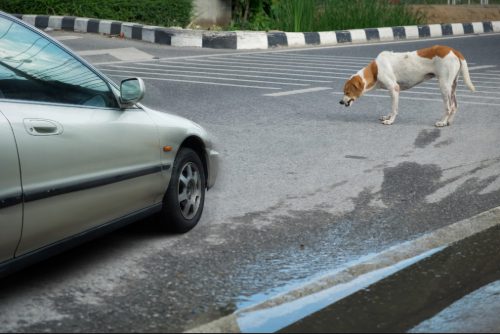
When a dog is hit by a car, the first priority is safety, both yours and your dog’s. Traffic, loud noises, and fear can cause an injured dog to react unpredictably. Move your dog away from the road only if you can do so without putting yourself at risk, and avoid sudden movements that could worsen unseen injuries.
It is important to understand that trauma may not always look severe at first. Some dogs stand up or attempt to walk even when they have internal damage. Others may appear quiet or disoriented rather than visibly injured. Because of this uncertainty, a dog hit by car should always be treated as an emergency and evaluated by a veterinarian right away.
Key steps to focus on immediately include:
- Keeping your dog as still and calm as possible
- Preventing further injury while moving them away from traffic
- Transporting them to an emergency veterinary hospital without delay
Avoid attempting to assess injuries in detail at the scene. The goal is to limit movement and get your dog into professional care quickly. If you are in the Atlanta area, call The Emergency Vets 24-Hour Emergency at (404) 371-9774 while you are on your way so the medical team can prepare for your arrival.
Signs of Internal Injuries After Trauma
Internal injuries are one of the biggest concerns after a dog is hit by car. These injuries are not always visible, yet they can be life-threatening if left untreated. Blunt force trauma can affect the chest, abdomen, head, or spine, even when there are no external wounds.
Dogs with internal injuries may show subtle changes rather than obvious distress. You might notice changes in breathing, posture, or awareness that signal something is wrong. These signs can develop immediately or worsen over time, which is why monitoring and emergency evaluation are so important after an accident.
Common warning signs seen after a dog is hit by a car include:
- Labored, rapid, or shallow breathing
- Pale gums or tongue
- Weakness, collapse, or difficulty standing
- Disorientation or unresponsiveness
- Visible pain or unusual body positioning
Delayed Symptoms Can Be Dangerous
Some effects of trauma take time to appear. Bleeding inside the body, swelling in the brain, or bruising of internal organs may not cause immediate symptoms. A dog hit by car may seem stable at first, only to deteriorate hours later. This delayed response is one reason veterinarians emphasize urgent evaluation even when injuries appear minor.
Because these conditions cannot be confirmed without diagnostic testing, professional assessment is essential. Waiting to “see how your dog does” can allow serious problems to progress unnoticed. Emergency veterinary care provides the monitoring and tools needed to identify internal injuries early.
Why Immediate Emergency Vet Care Matters
A dog hit by car experiences more than surface-level trauma. Emergency veterinary care focuses on stabilizing the patient, identifying injuries, and preventing complications. Time plays a major role in outcomes, especially when internal bleeding or organ damage is involved.
Emergency teams are trained to assess trauma cases efficiently and thoroughly. They evaluate breathing, circulation, neurological status, and pain levels in a structured way. This approach allows them to prioritize life-threatening issues before moving on to additional diagnostics. The sooner this process begins, the better the chance of addressing injuries before they worsen.
Delaying care can increase the risk of shock, infection, or permanent damage. Even dogs that appear alert and responsive can decline quickly. Bringing your dog to a 24-hour emergency facility ensures they receive immediate attention, regardless of the time of day or night. If your dog has been hit by a car, contact The Emergency Vets 24-Hour Emergency at (404) 371-9774 for guidance and urgent support.
How The Emergency Vets Handles Canine Emergencies
The Emergency Vets 24-Hour Emergency is equipped to respond quickly when a dog hit by car arrives at the hospital. The team follows established emergency protocols designed to evaluate trauma patients efficiently while keeping stress as low as possible. From the moment you arrive, trained professionals focus on assessing your dog’s condition and determining next steps.
Emergency care often begins with a rapid physical evaluation to identify immediate concerns. This includes checking breathing, heart rate, circulation, and neurological response. Based on these findings, the veterinary team decides which diagnostics are needed to better understand the extent of the injuries. Clear communication with pet owners remains a priority throughout the process.
Advanced Diagnostics and Continuous Monitoring
Trauma cases often require advanced diagnostic tools to uncover injuries that are not visible externally. Imaging, laboratory testing, and continuous monitoring help the team track changes in your dog’s condition. These tools allow veterinarians to make informed decisions and adjust care plans as needed.
Because emergencies can evolve quickly, 24-hour staffing ensures that your dog receives consistent observation and support. Whether injuries are mild or severe, having access to emergency services around the clock provides peace of mind during a stressful situation. The Emergency Vets team remains available to answer questions and explain findings as care progresses.
Preventing Accidents: Tips for Pet Safety
While not every accident can be avoided, taking preventive steps can reduce the risk of a dog hit by car. Many vehicle-related injuries happen close to home during routine activities. Awareness and preparation play a large role in keeping dogs safe around roads and driveways.
Supervision remains one of the most effective prevention tools. Dogs allowed to roam freely near traffic face a higher risk of accidents, even in quiet neighborhoods. Using appropriate restraints and maintaining secure boundaries helps limit unexpected encounters with vehicles.
Practical safety measures include:
- Keeping dogs on a leash when outside unfenced areas
- Ensuring gates and fences are secure and well-maintained
- Using reflective collars or harnesses in low-light conditions
- Staying alert in driveways and parking areas
When Every Second Counts, Know Where to Turn
Seeing a dog hit by car is frightening, but having clear information helps you respond with confidence. Quick action, awareness of warning signs, and access to emergency care all support better outcomes after trauma. Even when injuries are not obvious, professional evaluation remains the safest choice.
The Emergency Vets 24-Hour Emergency is available around the clock to care for dogs experiencing serious injuries. If your dog has been hit by a car or you are concerned about their condition, call (404) 371-9774 for immediate assistance and guidance.
Recent Posts
About Us
At The Emergency Vets, we provide 24/7 emergency and critical care for pets at our animal hospital in Atlanta, GA. As the only privately owned emergency veterinary hospital in the metro area, we continue delivering trusted care with the same experienced team, now as an independent practice.