
My Dog Ate Chocolate, But Is Acting Fine: When Is It an Emergency?
If you’re thinking “My dog ate chocolate but is acting fine,” you should still call an emergency vet or a pet poison hotline right away instead of waiting for symptoms to appear. Chocolate’s effects can take hours to show up, and a calm, tail-wagging dog can still be absorbing a dangerous dose.
Chocolate works on a delay, which is what makes the situation so tricky. A dog may wag, eat dinner, and nap while the toxin builds up in the bloodstream. Below, you will find what chocolate does inside a dog’s body, why “acting fine” does not settle the question, how the type and amount change the risk, and what an emergency visit with The Emergency Vets in Atlanta, GA looks like. Quick action matters most in the first hours, so a few minutes of reading can help you choose your next step.
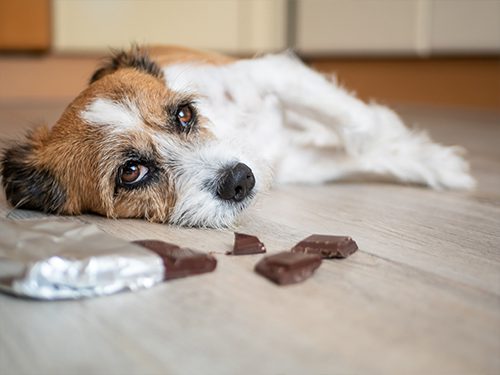
What Happens If Dogs Eat Chocolate?
Chocolate contains theobromine and caffeine, two stimulants that dogs process much more slowly than people do. That slow processing lets the compounds build up in a dog’s system. Theobromine affects the heart, nervous system, and kidneys, so the result can range from mild stomach upset to dangerous heart rhythm problems and seizures. Severity depends on how much of these compounds the dog takes in compared with its body weight.
Why Dogs Are More Sensitive Than People
People break down theobromine within a few hours, while dogs take far longer, which is why a snack that is harmless to you can poison your pet. Puppies, small dogs, seniors, and dogs with heart conditions face the highest risk. Dogs also gulp chocolate quickly and in large quantities, especially when it is wrapped in tempting packaging or sitting in a baking pantry.
Signs of Chocolate Poisoning
Dogs react differently, but common signs include:
- Vomiting and diarrhea
- Restlessness or hyperactivity
- Panting and increased thirst
- Rapid or irregular heartbeat
- Muscle tremors
- Seizures in severe cases
When the Signs Appear
Signs often start within a few hours of eating chocolate and can show up as late as 12 hours afterward. Effects can linger for a day or more, because dogs clear theobromine slowly.
The Fat and Sugar Factor
Rich chocolate also carries plenty of fat and sugar. In some dogs, that combination triggers vomiting right away and pancreatitis a day or two later, even when the theobromine dose was modest.
My Dog Ate Chocolate but Is Acting Fine: Should You Still Call?
Yes. A normal-looking dog is reassuring, but it does not prove the chocolate is harmless. Theobromine takes time to absorb and reach its full effect, so a dog can look perfectly normal in the first hour and become seriously ill later. Calling early gives a veterinary professional the widest range of options.
What “Acting Fine” Can Hide
Some dogs show only subtle changes at first, such as slight restlessness, extra panting, or more trips to the water bowl than usual. Rattled owners may miss those details, and quiet dogs can hide discomfort. Many dogs who seem fine at first are simply in the early window before signs begin.
Why Early Calls Help
Veterinarians can often do more when chocolate was eaten recently. Once a dog starts showing signs, treatment usually shifts toward more intensive care. A quick call also lets a professional tell you whether your dog’s situation is low risk, worth monitoring, or urgent.
Why Wait and See Backfires
Waiting for symptoms means losing hours that matter. A dog who seems fine at 6 p.m. may be vomiting, shaking, or restless at midnight, when your regular clinic is closed. An emergency hospital like The Emergency Vets in Atlanta, GA can step in during those off-hours gaps, so the situation is addressed before it becomes a crisis.
How Much Chocolate Is Dangerous for a Dog?
The danger depends on three things: the type of chocolate, the amount eaten, and the dog’s weight.
Not all chocolate carries the same punch. From most to least concerning:
- Baking chocolate and cocoa powder: the highest levels of theobromine.
- Dark and semisweet chocolate: high levels, and a small piece can matter for a small dog.
- Milk chocolate: moderate levels, but large amounts can still harm a small dog.
- White chocolate: very little theobromine, though fat and sugar can still upset the stomach.
Homemade brownies, cookies, and cakes can hide unpredictable amounts of baking chocolate or cocoa, and labels vary between brands. Vets treat the exact theobromine content as an estimate, which is one reason a professional opinion beats guesswork.
Why Chocolate Type Changes the Urgency
If your first thought was “My dog ate chocolate but is acting fine,” the type of chocolate is the detail that decides how urgent the call is. A few milk chocolate chips for a large dog sit in a very different category than an unwrapped baking bar for a small dog, and a veterinary professional can sort that out in minutes.
Why Your Dog’s Weight Matters
The same candy bar poses a very different risk to a Chihuahua than to a Labrador. Vets calculate the theobromine dose per pound or kilogram of body weight, which is why one of their first questions is how much your dog weighs.
Hidden Hazards Beyond the Chocolate
Many chocolate products add risks of their own. Raisins, macadamia nuts, coffee beans, and xylitol sweeteners are all dangerous to dogs, and wrappers or foil can cause blockages. Garden products matter too. Cocoa bean mulch, sometimes used in Atlanta landscaping, contains theobromine and smells appealing to dogs.
What to Do Next: When Is Chocolate an Emergency?
Treat any chocolate ingestion as a reason to call, and treat certain situations as true emergencies. Head to The Emergency Vets immediately if your dog ate baking chocolate or dark chocolate, ate a large amount, or is a small dog, a puppy, a senior, or a dog with a heart condition. Go right away as well if vomiting, tremors, a racing heart, or unusual restlessness appears. We provide 24/7 emergency care when your primary veterinarian is not available.
What the Emergency Team Does
Our veterinary team asks for details, estimates the theobromine dose, and decides on a treatment plan. Depending on timing and your dog’s condition, that may include medication to empty the stomach, activated charcoal to limit absorption, IV fluids, heart monitoring, and medications to control tremors or seizures. A veterinarian chooses these steps for each patient, so home remedies should never replace a professional call.
What Happens After Treatment
Many dogs go home after monitoring once signs settle, while others stay in the hospital for observation, since effects can last a day or longer. Follow-up instructions from our veterinary team cover diet, rest, and which changes to report.
Details to Have Ready
Quick, accurate information speeds up the assessment. Gather these details if you can:
- The type and brand of chocolate, plus the packaging
- A best estimate of how much is missing
- When your dog ate it
- Your dog’s weight, age, and any health conditions
- Any signs you have noticed so far
A pet poison hotline can also help assess risk, though it may charge a fee, and it cannot examine your dog the way a veterinary team can.
Planning Ahead for Chocolate Season in Atlanta
Holiday baking, advent calendars, stocking treats, and Halloween leftovers all put chocolate within reach of curious noses. A few simple habits make a real difference: store sweets in closed cabinets, set purses and gift bags on high surfaces, and remind guests that dogs eat whatever drops.
Even careful households have close calls. Dogs get into things at parties, in guests’ bags, and under the tree. Whether the thought is “My dog ate chocolate but is acting fine” or something more alarming, the same rule applies: make the call first and let a professional decide what comes next. The Emergency Vets in Atlanta, GA can help when a dog eats something it should not, and early contact leaves the most options on the table.
Reach our team at (404) 371-9774 and let us know what your dog ate, how much, and when. Acting while your dog still feels fine gives them the best chance at a quick, uncomplicated recovery.
Recent Posts
About Us
At The Emergency Vets, we provide 24/7 emergency and critical care for pets at our animal hospital in Atlanta, GA. As the only privately owned emergency veterinary hospital in the metro area, we continue delivering trusted care with the same experienced team, now as an independent practice.