
Signs of Urinary Blockage in Cats
Urinary blockage in cats is most often caused by a plug of minerals, mucus, and inflammatory cells, a small bladder stone, or a spasm of the urethra triggered by bladder inflammation. The most common signs of urinary blockage in cats include straining in the litter box, producing little or no urine, crying while trying to urinate, and frequent trips to the box. A blocked cat can become critically ill within a day or two, so this is always an emergency.
Many owners first assume their cat is constipated or just acting fussy. Unfortunately, that delay can be dangerous. At The Emergency Vets in Atlanta, GA, we treat blocked cats around the clock, and we’ve seen how much faster recovery tends to be when owners act early. In this guide, you’ll learn what causes urinary blockage, how to recognize the signs of urinary blockage in cats at each stage, why the condition becomes life-threatening so quickly, and how emergency veterinarians relieve the obstruction.
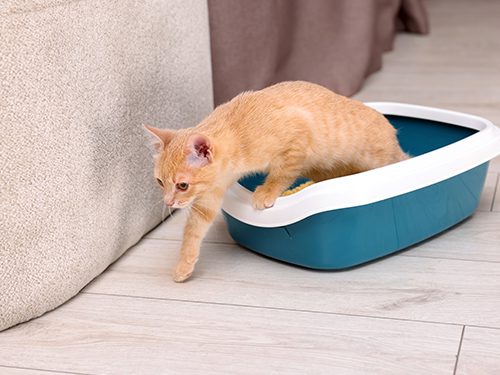
What Causes Urinary Blockage in Cats?
A urinary blockage happens when something prevents urine from flowing out of the bladder through the urethra, the narrow tube that carries urine out of the body.
Several different problems can create that obstruction. Veterinarians most commonly identify these culprits:
- Urethral plugs: Soft, sand-like clumps made of crystals, proteins, and cells that lodge in the urethra.
- Bladder stones: Small stones, often struvite or calcium oxalate, that move out of the bladder and get stuck.
- Feline idiopathic cystitis: Bladder inflammation without a clear cause, which can lead to swelling and spasms that close off the urethra.
- Urethral strictures: Scar tissue from previous injury or blockage that narrows the passage.
- Tumors: Growths in the bladder or urethra, which are less common but more likely in older cats.
Why Male Cats Are at Greater Risk
Male cats have a much longer and narrower urethra than females, especially near the tip. Even a tiny plug or stone can get stuck there. As a result, male cats experience the vast majority of urinary blockages. Female cats can still develop bladder inflammation and stones, but complete obstructions in females are uncommon.
The Role of Stress
Stress plays a surprisingly large role in feline bladder health. Changes in routine, a new pet or baby, moving, construction noise, or conflict with another cat in the household can all trigger flare-ups of feline idiopathic cystitis. In male cats, those flare-ups sometimes progress to a full blockage.
Early and Late Signs of Urinary Blockage in Cats
The signs of urinary blockage in cats often start subtly and then escalate over a matter of hours.
Watching your cat’s litter box habits gives you one of the best early warning systems. Common signs to look for include:
- Repeated trips to the litter box with little or no urine produced
- Squatting and straining for long periods
- Crying, yowling, or growling while trying to urinate
- Urinating outside the litter box, often on cool surfaces like tile or bathtubs
- Blood-tinged urine or small spots of urine
- Frequent licking of the genital area
- Hiding, restlessness, or reluctance to be picked up
Easily Mistaken for Constipation
Straining in the litter box looks similar whether a cat is trying to pass stool or urine. Because of that, many owners believe their cat is constipated when the real problem is a blocked urethra. If you can’t confirm that your cat is producing normal clumps of urine, treat straining as one of the possible signs of urinary blockage in cats and contact an emergency vet right away.
Signs That the Blockage Has Advanced
As toxins build up in the bloodstream, a blocked cat starts to look seriously ill. Later signs include vomiting, refusing food, extreme lethargy, a painful or hard belly, weakness, and collapse. A slow heart rate, low body temperature, or unresponsiveness signals a life-threatening crisis. These late-stage signs of urinary blockage in cats mean every minute counts.
Why a Blocked Cat Is a Life-Threatening Emergency
When urine can’t leave the body, the waste products and minerals it normally carries out begin to build up in the blood.
The kidneys filter toxins from the blood and send them out in urine. When the urethra is blocked, pressure backs up into the kidneys and they stop working effectively. Potassium levels rise, which can cause dangerous changes in heart rhythm. Without treatment, a fully blocked cat may die within about 24 to 72 hours. In rare cases, the overstretched bladder can tear.
Cats With Higher Risk
Any cat can develop urinary problems, but certain cats are more likely to become blocked. Being familiar with these risk factors helps you stay alert to early signs of urinary blockage in cats:
- Male cats, especially neutered males
- Cats between about one and ten years old
- Indoor cats with limited activity
- Overweight cats
- Cats in multi-cat households or stressful environments
- Cats with a history of bladder inflammation or previous blockages
Repeat Blockages Are Common
Cats that have been blocked once face a higher chance of blocking again, particularly in the first few weeks after treatment. Your veterinarian can discuss long-term management options to lower that risk. Owners of previously blocked cats should watch for any change in litter box behavior and seek care immediately if signs return.
How Emergency Vets Treat a Urinary Blockage
Emergency treatment focuses on stabilizing your cat’s body chemistry and then gently relieving the obstruction.
When a blocked cat arrives, the veterinary team checks heart rate, temperature, and blood pressure, then runs bloodwork to measure kidney values and potassium. An ECG may be used to monitor heart rhythm, since high potassium from a blockage can slow the heart. Recognizing the signs of urinary blockage in cats early often means bloodwork is less severely affected by the time treatment begins. IV fluids and medications help correct dangerous imbalances before or during the procedure.
Relieving the Obstruction
Under sedation or anesthesia, the veterinarian places a urinary catheter to clear the blockage and drain the bladder. The catheter usually stays in place for one to several days while your cat recovers in the hospital and receives fluids, pain control, and close monitoring. X-rays or ultrasound may be used to look for bladder stones. Cats with stones or repeat blockages may need surgery to remove stones or widen the urethra.
What Recovery Looks Like
Most cats stay in the hospital for two to three days, although some need longer depending on kidney values and how well they urinate once the catheter comes out. Your veterinarian will check that your cat is producing urine comfortably and that bloodwork is moving back toward normal before sending your cat home. Before discharge, the team will review your cat’s medications, a recheck schedule, and the specific signs of urinary blockage in cats that mean you should return right away. Many cats feel noticeably better within a day of having the obstruction relieved.
Because the signs of urinary blockage in cats can escalate overnight, quick access to 24/7 emergency pet care is essential. The Emergency Vets team is always on hand to evaluate blocked cats, stabilize them, and begin treatment without waiting for a regular clinic to open.
Urgent Help for Blocked Cats in Atlanta
A urinary blockage is one of the most serious emergencies a cat can face, but it is also highly treatable when caught early. Straining with little urine, crying in the litter box, or frequent trips without results are all signs of urinary blockage in cats that need immediate attention. Waiting until morning can turn a manageable problem into a critical one.
The Emergency Vets in Atlanta, GA, is open day and night, including weekends and holidays, to help cats in urinary distress. If you notice any signs of urinary blockage in cats, call us at (404) 371-9774 or bring your cat directly to our hospital. Our experienced team will relieve the obstruction, keep you informed throughout your cat’s stay, and help you plan for a healthy recovery.
Recent Posts
About Us
At The Emergency Vets, we provide 24/7 emergency and critical care for pets at our animal hospital in Atlanta, GA. As the only privately owned emergency veterinary hospital in the metro area, we continue delivering trusted care with the same experienced team, now as an independent practice.