Dog Not Drinking Water: When to Worry
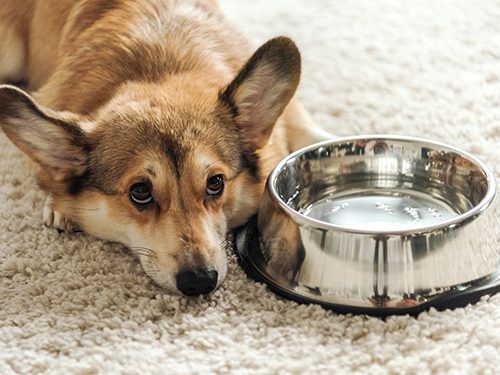
A dog not drinking water may be dealing with nausea, mouth pain, stress, an infection, or an internal illness such as kidney disease or pancreatitis. Sometimes the cause is harmless, like cooler weather, less activity, or a moisture-rich diet. However, if your dog hasn’t had water in about 24 hours, or shows signs like vomiting, lethargy, or dry gums, it’s time to call a veterinarian right away.
Water keeps every system in your dog’s body working, from digestion and circulation to temperature control and kidney function. That’s why a sudden change in drinking habits can be an early clue that something is wrong. At The Emergency Vets in Atlanta, GA, we often help owners figure out whether a quiet water bowl is a minor blip or a sign of illness. This guide explains why a dog might stop drinking, how much water dogs typically need, how to recognize dehydration, and when to seek emergency care.
Why Is My Dog Not Drinking Water?
Dogs drink less for many reasons, and the cause often becomes clearer when you look at the other changes happening alongside it.
A dog not drinking water isn’t a diagnosis on its own. Instead, it’s a symptom that veterinarians interpret along with your dog’s age, health history, and behavior. Common causes include:
- Nausea or stomach upset: Dogs that feel queasy often avoid both food and water.
- Mouth or dental pain: Broken teeth, gum disease, oral injuries, or something stuck in the mouth can make drinking uncomfortable.
- Illness or infection: Fever, viral infections, pancreatitis, and kidney or liver disease can all reduce thirst.
- Stress or a new environment: Travel, boarding, moving, or a new family member can temporarily change drinking habits.
- Recent surgery or sedation: Some dogs drink less for a short time after anesthesia.
- Medication side effects: Certain drugs may cause nausea or lower appetite and thirst.
- Mobility issues: Senior dogs with arthritis may struggle to reach their bowl comfortably.
Harmless Reasons for Drinking Less
Not every drop in water intake signals a problem. Dogs naturally drink less during cooler months and on low-activity days. Dogs that eat canned or fresh food get a significant amount of moisture from their meals, so they may visit the water bowl less often. Some dogs also react to small changes, such as a new bowl, a different location, or water that tastes different after a move. If your dog is otherwise acting normally, eating well, and urinating as usual, a slight decrease may not be cause for alarm.
When Mouth Pain Is the Culprit
Some dogs approach the bowl, take a sip, and walk away. Others drop water from the side of the mouth or paw at their face. These behaviors can signal mouth pain from a fractured tooth, an abscess, a foreign object lodged between teeth, or an injury to the tongue or gums. A veterinary exam can identify and treat the source of the discomfort.
How Much Water Do Dogs Need Each Day?
Knowing what’s normal for your dog makes it easier to notice when drinking habits change.
As a general rule of thumb, most healthy dogs drink roughly one ounce of water per pound of body weight each day. A 40-pound dog, for example, typically drinks about five cups daily. That amount shifts with activity level, weather, diet, age, and health, so your dog’s normal may be a bit higher or lower. Nursing mothers, very active dogs, and dogs on dry kibble usually drink more, while dogs on wet food or those resting indoors often drink less. Because every dog is different, the most useful comparison is your own dog’s usual routine. A dog not drinking water at its normal pace for a day or more is worth watching closely.
Noticing Changes in Your Dog’s Routine
Many owners don’t realize they have a dog not drinking water until the bowl stays full for a day or more. Paying attention to how often you refill the bowl helps you spot changes early. A dog not drinking water for most of a day, especially when it normally drinks often, deserves a closer look at its overall behavior and energy level.
Why Changes in Urination Matter Too
Drinking and urination are closely linked. A dog that drinks less often urinates less, and urine may look darker than usual. However, some dogs with kidney problems or urinary blockages also show unusual urination patterns. If you notice changes in both drinking and urination, share those details with your veterinarian.
Signs of Dehydration in Dogs
When a dog not drinking water starts losing more fluid than it takes in, dehydration can set in and affect the entire body.
Dehydration can develop faster than many people expect, especially if your dog is also vomiting, has diarrhea, or has been in the heat. Watch for these signs:
- Dry, sticky, or tacky gums
- Thick or stringy saliva
- Sunken or dull-looking eyes
- Skin that’s slow to settle back after being gently lifted
- Lethargy, weakness, or reluctance to move
- Dry nose and reduced appetite
- Decreased urination or dark yellow urine
Dogs That Dehydrate the Fastest
Puppies, senior dogs, small breeds, and dogs with chronic illnesses such as diabetes or kidney disease have less margin for fluid loss. In these dogs, even a short period of reduced drinking can lead to significant dehydration. A dog not drinking water in one of these groups should be seen by a veterinarian sooner rather than later.
Why Dehydration Is Dangerous
Without enough fluid, blood volume drops and organs receive less oxygen. Over time, dehydration can strain the kidneys, disrupt electrolyte balance, and lead to shock in severe cases. Treating the dehydration and its underlying cause early helps prevent these complications.
When to Worry About a Dog Not Drinking Water
A brief dip in thirst may be nothing serious, but a dog not drinking water in certain situations needs prompt or emergency veterinary care.
Contact a veterinarian right away, or head to an emergency hospital, if your dog fits any of the following:
- Has refused water for about 24 hours or longer
- Is also vomiting, has diarrhea, or won’t eat
- Seems weak, lethargic, or unusually quiet
- Has pale, dry, or tacky gums
- Is a puppy, senior, or small-breed dog
- Has a known condition like kidney disease, diabetes, or heart disease
- May have swallowed a toxin, medication, or foreign object
- Recently spent time in extreme heat or had surgery
What to Expect at the Vet
The veterinary team will perform a full physical exam, checking hydration, gum moisture, heart rate, temperature, and the mouth for signs of pain. Bloodwork and a urinalysis help evaluate kidney and liver function, electrolytes, and blood sugar. Depending on the findings, X-rays or ultrasound may be recommended to look for foreign objects, pancreatitis, or other internal problems. Treatment usually includes fluids given under the skin or through an IV, along with care aimed at the underlying cause.
Because a dog not drinking water can quickly become a serious problem, having access to 24/7 emergency pet care makes a meaningful difference. The Emergency Vets team is available day and night to evaluate dehydrated dogs and begin treatment without delay.
Fast Answers for Atlanta Dogs That Stop Drinking
A dog not drinking water for a short time may simply be adjusting to cooler weather or a change in routine. But when reduced drinking lasts, appears alongside vomiting or lethargy, or happens in a puppy, senior, or dog with a chronic illness, a veterinary visit is the safest choice. Catching dehydration and its cause early often leads to a quicker, smoother recovery.
The Emergency Vets in Atlanta, GA, is open around the clock, including weekends and holidays, to help dogs with dehydration and other urgent concerns. If you’re worried about your dog’s water intake, call us at (404) 371-9774 or bring your dog straight to our hospital. Our experienced emergency team will find the cause, restore hydration, and help your dog feel like themselves again.
Recent Posts
About Us
At The Emergency Vets, we provide 24/7 emergency and critical care for pets at our animal hospital in Atlanta, GA. As the only privately owned emergency veterinary hospital in the metro area, we continue delivering trusted care with the same experienced team, now as an independent practice.