
When a Puppy Not Eating Becomes an Emergency
A puppy not eating may be reacting to stress, teething, a recent vaccine, or a diet change, but it can also signal serious problems like parvovirus, intestinal parasites, a swallowed object, or dangerously low blood sugar. Because puppies have very small energy reserves, a missed meal matters more for them than for adult dogs, and a skipped meal paired with other symptoms deserves prompt veterinary attention.
Bringing home a new puppy is exciting, so it’s unsettling when your little one turns away from the food bowl. At The Emergency Vets in Atlanta, GA, we regularly see worried owners trying to figure out whether a picky moment is normal or a sign of something bigger. This guide explains the most common reasons behind a puppy not eating, the timelines and symptoms that call for urgent care, and what to expect when you bring your puppy in for an exam.
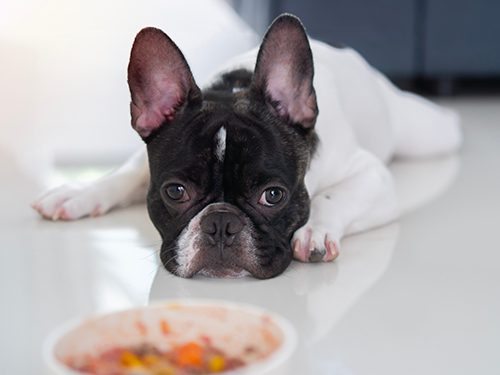
Why Is My Puppy Not Eating? Common Reasons
Puppies stop eating for many reasons, ranging from simple adjustment issues to illnesses that need immediate treatment.
A loss of appetite is a symptom rather than a diagnosis, so the goal is to look at the bigger picture. Veterinarians commonly trace a puppy not eating back to one of these causes:
- Stress from a new environment: Moving to a new home, meeting new people, or traveling can temporarily dull a puppy’s appetite.
- Teething discomfort: Sore gums between roughly three and six months of age can make chewing kibble less appealing.
- Recent vaccinations: Some puppies feel tired and eat less for a day after their shots.
- Intestinal parasites: Roundworms, hookworms, coccidia, and giardia are common in young dogs and can upset the stomach.
- Viral infections: Parvovirus and distemper both cause appetite loss, often alongside vomiting, diarrhea, or respiratory signs.
- Swallowed objects: Curious puppies chew socks, toys, and rocks that can block the stomach or intestines and suddenly stop a puppy from eating.
- Congenital conditions: Issues present from birth, such as a liver shunt, may first show up as poor appetite or slow growth.
Normal Adjustment or Something More?
A puppy that skips part of one meal after a big day but stays playful, drinks water, and has normal stools is often just adjusting. The concern grows when the appetite change lasts, keeps coming back, or appears together with other changes in energy or behavior. If you’re unsure which category your puppy falls into, a quick call to a veterinary team can help you decide on next steps.
Why Unvaccinated Puppies Need Extra Caution
Puppies that haven’t finished their vaccine series are vulnerable to parvovirus, a highly contagious virus that spreads through contaminated soil, shoes, and other dogs. Parvo often starts with a puppy not eating and seeming quiet before vomiting and bloody diarrhea develop. Early testing and treatment greatly improve a puppy’s chances, so appetite loss in an unvaccinated puppy should never be ignored.
When to Worry About a Puppy Not Eating
The younger and smaller the puppy, the sooner a puppy not eating becomes a real concern.
Adult dogs can sometimes go a day without eating and bounce back. Puppies are different. Their bodies burn through energy quickly, and they don’t store much reserve to fall back on. Toy breeds such as Chihuahuas, Yorkshire Terriers, and Maltese are especially prone to hypoglycemia, or low blood sugar, which can develop after missing just a few meals. As a general guide, contact a veterinarian the same day if a young puppy refuses two meals in a row or goes more than about 12 hours without eating.
Signs That Mean You Should Head to an Urgent Vet Now
Some symptoms turn a puppy not eating into an emergency that can’t wait for a regular appointment. Seek care right away if you notice any of the following:
- Vomiting more than once, or vomiting along with diarrhea
- Blood in the stool or vomit
- Weakness, trembling, wobbling, or seizures
- Pale, gray, or very dry gums
- A bloated, firm, or painful belly
- Refusing water or showing signs of dehydration, such as sunken eyes
- Repeated retching without bringing anything up
- Known or possible ingestion of a toy, sock, medication, or toxin
Why Puppies Can Decline So Quickly
A puppy’s small body loses fluids and energy faster than an adult dog’s. Dehydration from vomiting or diarrhea can become dangerous within hours, and low blood sugar can lead to collapse. Waiting overnight to see whether things improve often makes treatment more complicated. When in doubt, it’s always safer to have your puppy checked sooner rather than later.
Puppy Not Eating Along With Other Symptoms
The symptoms that appear alongside appetite loss help veterinarians narrow down the cause and decide how urgently a puppy needs care.
Vomiting and Diarrhea
A puppy not eating that also vomits or has diarrhea may be dealing with parasites, a viral infection like parvo, dietary upset, or an intestinal blockage. Diarrhea that is bloody, unusually foul-smelling, or frequent raises the level of concern, especially in a puppy that hasn’t completed its vaccines.
Lethargy, Shaking, or Wobbliness
A sleepy, weak, or trembling puppy not eating its meals may have low blood sugar, an infection, or a congenital problem affecting the liver. These signs can progress to collapse or seizures, so they call for immediate attention.
Coughing, Sneezing, or Eye Discharge
When a puppy not eating also coughs, sneezes, or has goopy eyes, the combination can point to kennel cough, pneumonia, or canine distemper. A stuffy nose can also make food less appealing because puppies rely heavily on smell. A veterinarian can listen to the lungs and determine whether the infection is mild or more serious.
A Swollen Belly or Straining
A round, tight abdomen may indicate a heavy worm burden, trapped gas, or a blockage. Straining to defecate without producing stool is another possible sign of an obstruction that may need imaging to confirm.
What to Expect at an Urgent Vet Visit
When you bring in a puppy not eating normally, the veterinary team focuses on finding the cause and restoring hydration and energy as quickly as possible.
The visit usually begins with a full physical exam, including temperature, hydration, gum color, and a gentle check of the belly. Depending on what the veterinarian finds, recommended tests may include a fecal exam for parasites, a parvovirus test, bloodwork with a blood sugar reading, and X-rays to look for swallowed objects. Treatment varies by cause and may involve IV fluids, anti-nausea medication, deworming, or hospitalization for closer monitoring. For a blockage, surgery may be needed.
Information That Helps Your Vet
You can help speed up the process by sharing a few key details with the team:
- When your puppy last ate a full meal and how much
- Your puppy’s vaccination and deworming history
- Any recent food changes, new treats, or chewed items
- Changes in stool, energy, or water intake
If your regular vet can’t see your puppy today, our urgent veterinarian services offer a fast alternative for problems that shouldn’t wait. The Emergency Vets team sees urgent cases without requiring an appointment, so your puppy can be evaluated as soon as you arrive.
Prompt Help for Atlanta Puppies That Won’t Eat
A puppy not eating for a single meal isn’t always cause for alarm, but young dogs have little room for error. When appetite loss lasts, happens in a toy breed or unvaccinated puppy, or comes with vomiting, diarrhea, weakness, or a swollen belly, it’s time to get help. Acting early on a puppy not eating often means simpler treatment, a shorter hospital stay, and a quicker recovery.
The Emergency Vets in Atlanta, GA, is available day and night to care for puppies and dogs with urgent and emergency needs. If your puppy is not eating and you’re concerned, call us at (404) 371-9774 or bring your puppy straight to our hospital. Our caring team will examine your puppy, explain what we find, and help you get your new family member back to eating, playing, and growing.
Recent Posts
About Us
At The Emergency Vets, we provide 24/7 emergency and critical care for pets at our animal hospital in Atlanta, GA. As the only privately owned emergency veterinary hospital in the metro area, we continue delivering trusted care with the same experienced team, now as an independent practice.